
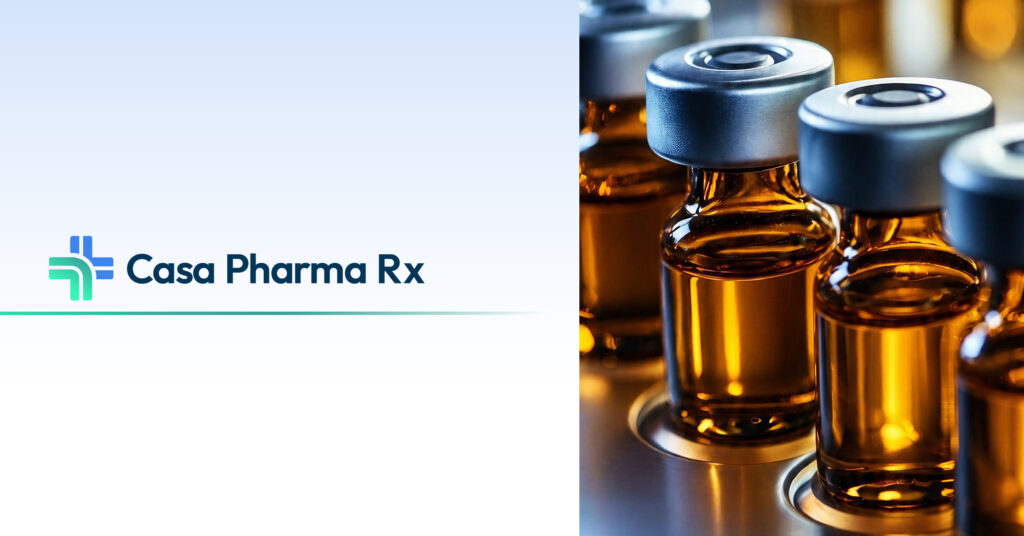
Why Amber Borosilicate Vials Are Key for Prescription Success in Summer

Why Amber Borosilicate Vials Are Key for Prescription Success in Summer

The Hidden Role of Packaging in Medication Stability, Patient Outcomes, and Summer Prescription Success

When healthcare providers think about medication efficacy, they typically focus on formulation, dosing, patient adherence, and clinical outcomes. Yet one critical factor is often overlooked:

The container.

As summer temperatures rise and patients spend more time traveling, outdoors, and away from controlled environments, medication storage becomes increasingly important. While providers often discuss medication stability and temperature management, fewer conversations focus on the packaging technologies designed to protect those medications.

One of the most important among them is the amber borosilicate glass vial.

Widely used throughout the pharmaceutical industry, amber borosilicate vials help protect medications from environmental threats that can compromise stability, potency, and overall treatment success.

For practices prescribing temperature-sensitive therapies, understanding why these vials matter can help improve patient education, medication integrity, and continuity of care throughout the summer months.

What Is an Amber Borosilicate Vial?

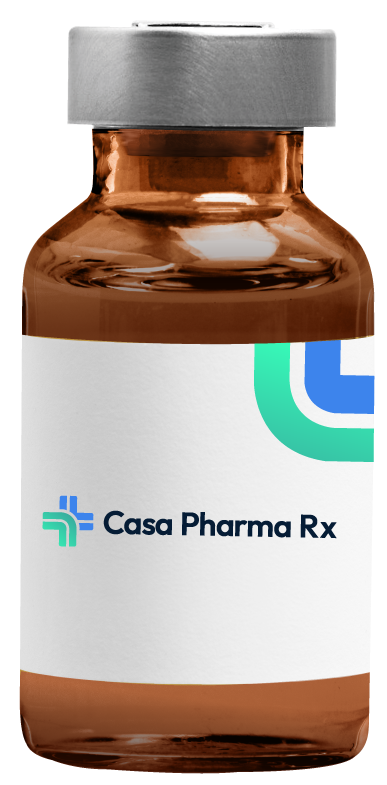
Amber borosilicate vials are pharmaceutical-grade glass containers specifically designed to protect medications from environmental exposure.

They combine two important features:

Amber Glass

The amber coloration helps filter harmful ultraviolet (UV) and visible light wavelengths that can contribute to medication degradation.

Borosilicate Glass

Borosilicate glass is engineered to provide:

  • Exceptional chemical resistance
  • Low thermal expansion
  • High durability
  • Protection against contamination and leaching

Together, these characteristics create one of the most reliable pharmaceutical storage solutions available.

Why Summer Creates Additional Risks for Medication Stability

Summer introduces several environmental stressors that can impact medications:

Increased Heat Exposure

Vehicles, travel bags, patios, and direct sunlight can expose medications to temperatures well above recommended storage conditions.

According to the FDA, many medications are intended to be stored at controlled room temperature, generally between 68°F and 77°F (20°C and 25°C), with limited allowances for temporary excursions.

Higher UV Exposure

Longer daylight hours and increased outdoor activity expose medications to more sunlight.

Certain active pharmaceutical ingredients can degrade when exposed to UV light, reducing potency and potentially affecting therapeutic performance.

More Frequent Travel

Patients often carry medications while traveling, increasing the likelihood of temporary temperature excursions and environmental exposure.

This makes protective packaging more important than ever.

How Amber Borosilicate Vials Protect Medication Integrity

1. Protection Against Light-Induced Degradation

Many pharmaceutical compounds are photosensitive.

Exposure to UV and visible light can trigger chemical reactions that may:

  • Reduce potency
  • Alter molecular structure
  • Shorten shelf stability
  • Affect therapeutic effectiveness

Amber glass acts as a protective barrier by blocking significant portions of harmful wavelengths of light.

This helps maintain medication stability throughout storage and use.

2. Improved Chemical Stability

Lower-quality materials can interact with medications over time, potentially affecting:

  • Purity
  • Stability
  • Product integrity

Borosilicate glass is highly inert, meaning it resists chemical interactions with pharmaceutical formulations.

This is particularly important for sterile compounded medications and sensitive active ingredients.

3. Better Temperature Resilience

While no vial can completely eliminate the effects of extreme heat, borosilicate glass offers superior resistance to thermal stress compared to standard glass.

This helps maintain structural integrity when medications encounter temporary temperature fluctuations during:

  • Shipping
  • Travel
  • Storage transitions

Although patients should always follow storage instructions, robust packaging provides an additional layer of protection.

4. Enhanced Sterility Protection

Medication integrity is not just about potency.

It is also about maintaining sterility and preventing contamination.

High-quality borosilicate vials help support:

  • Sterile compounding standards
  • Secure closures
  • Reduced contamination risk

This is especially important for injectable therapies and other sterile preparations.

educational opportunities

Why Packaging Directly Impacts Prescription Success.

A medication that experiences environmental degradation may result in:

  • Reduced clinical response
  • Inconsistent patient outcomes
  • Increased patient concerns
  • Additional follow-up appointments

In some cases, providers may mistakenly attribute reduced efficacy to dosing or adherence issues when environmental exposure is the underlying cause.

Protective packaging helps reduce these risks.

What Providers Should Teach Patients During Summer

Summer is an excellent opportunity to educate patients about medication protection.

Key reminders include:

Avoid Leaving Medications in Vehicles

Interior vehicle temperatures can exceed 120°F during the summer months.

Keep Medications Out of Direct Sunlight

Even amber vials provide additional protection, not complete immunity from prolonged sun exposure.

Travel With Medications Properly

Use climate-controlled environments whenever possible and avoid checked luggage if temperature control is uncertain.

Understand That Not Every Temperature Excursion Is a Crisis

Many medications can tolerate temporary exposure to temperatures slightly above room temperature without immediate loss of potency.

However, the impact depends on:

  • The formulation
  • Duration of exposure
  • Maximum temperature reached
  • Stability characteristics

Patients should contact their pharmacy whenever there is uncertainty.

Why High-Quality Packaging Reflects High-Quality Pharmacy Standards

The choice of packaging often reflects a pharmacy’s broader commitment to quality.

Pharmacies focused on long-term patient outcomes typically invest in:

  • Pharmaceutical-grade containers
  • Stability-focused storage systems
  • Temperature-aware shipping protocols
  • Rigorous quality control processes

These details may seem small, but they contribute significantly to the overall integrity of the medication.

Casa Pharma RX: Protecting Medications Beyond the Formulation

At Casa Pharma RX, we understand that prescription success depends on more than what goes into a medication.

It also depends on how that medication is protected throughout its journey, from compounding to delivery to patient use.

That is why we prioritize:

  • High-quality pharmaceutical packaging
  • Reliable fulfillment systems
  • Stability-conscious handling procedures
  • Comprehensive quality control standards

Maintaining medication integrity requires attention to every detail, not just the formulation itself.

Why Amber Borosilicate Vials Matter

Amber borosilicate vials may not receive the same attention as active ingredients or treatment protocols, but they play a critical role in protecting medication quality.

Key Takeaways

  • Summer heat, sunlight, and travel increase the risk of medication instability.
  • Amber glass helps protect against light-induced degradation.
  • Borosilicate glass provides superior chemical resistance and durability.
  • Proper packaging supports potency, sterility, and patient outcomes.
  • Medication integrity depends on both formulation quality and environmental protection.
  • Casa Pharma RX prioritizes pharmaceutical-grade packaging as part of its commitment to patient safety and prescription success.

When patients receive medications protected by high-quality packaging, providers gain greater confidence that treatments will perform as intended, even during the hottest months of the year.

FAQ

Why are medications stored in amber vials?

Amber vials help block UV and visible light that can contribute to medication degradation, helping maintain stability and potency.

What makes borosilicate glass different from regular glass?

Borosilicate glass offers greater chemical resistance, durability, and thermal stability, making it ideal for pharmaceutical applications.

Can amber vials protect medications from heat?

Amber vials primarily protect against light exposure. While borosilicate glass offers better thermal resistance than standard glass, medications should still be stored according to recommended temperature guidelines.

Are peptides and injectable medications more sensitive to environmental exposure?

Many peptide-based and injectable therapies are particularly sensitive to temperature and light, making proper storage and packaging especially important.

What should patients do if they are unsure whether heat exposure affected their medication?

Patients should contact their pharmacy before discarding the medication or continuing to use it. The pharmacy can evaluate the specific product and circumstances of the exposure.

How does Casa Pharma RX help protect medication integrity during summer?

Casa Pharma RX utilizes pharmaceutical-grade packaging, quality-controlled handling procedures, and reliable fulfillment systems designed to help protect medication stability throughout the patient journey.