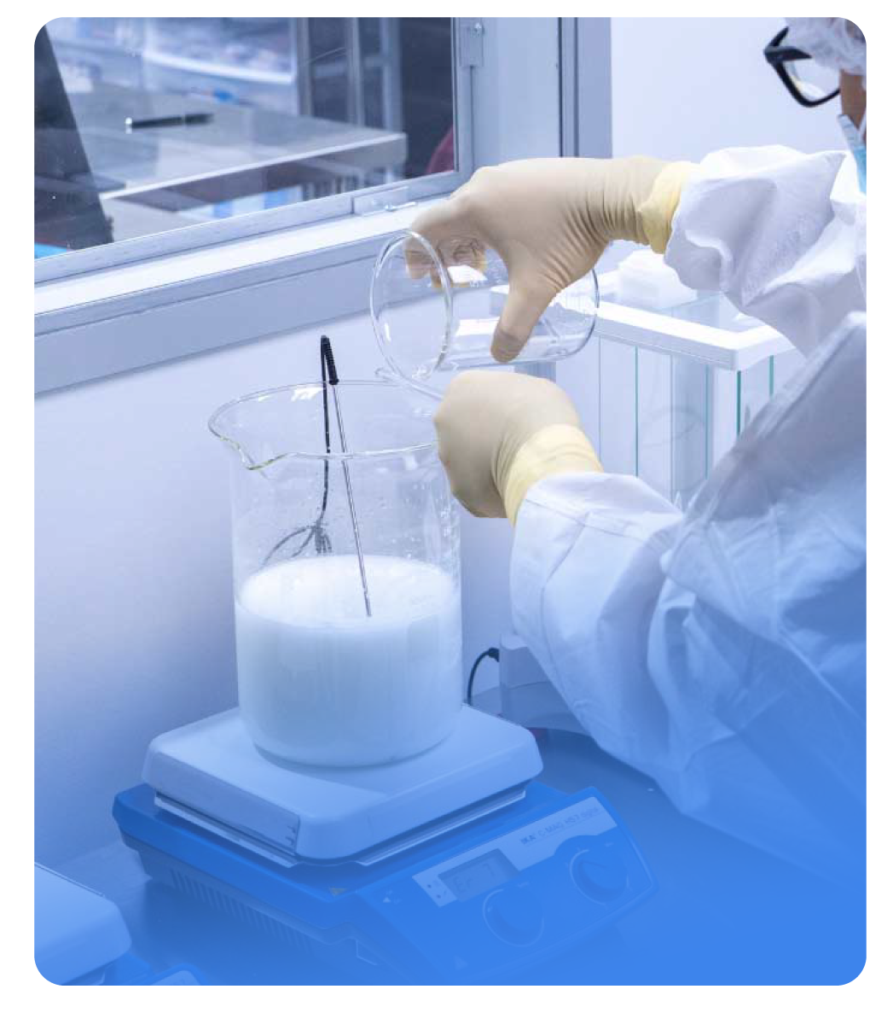
How Does the Pharmacy Ensure Quality?
Preparing a sterile compounded medication in a compliant cleanroom is only one component of pharmaceutical quality. Equally important are the systems that ensure every preparation is performed consistently, documented appropriately, and reviewed before reaching the patient.
A robust quality management system extends beyond the compounding process itself. It includes written standard operating procedures, routine staff training and competency assessments, equipment maintenance, environmental monitoring programs, documentation practices, and complete traceability of every preparation.
Ingredient quality also plays a critical role. Active pharmaceutical ingredients (APIs) should be obtained from qualified suppliers and accompanied by documentation verifying their identity and quality before they enter the compounding process.
Documentation is another essential component. Every preparation should be traceable—from the ingredients and lot numbers used to the personnel involved, preparation records, and final pharmacist verification. This level of documentation supports consistency, facilitates quality investigations when necessary, and reinforces accountability throughout the compounding process.
For physicians, these quality systems provide confidence that compounded medications are prepared through standardized, reproducible processes rather than individual technique alone.
What Happens Before the Medication Is Released?
Before a compounded medication is dispensed, it undergoes a final quality review to confirm that it has been prepared according to established procedures and that all required documentation has been completed.
For sterile compounded medications, this review typically includes verification of the formulation, preparation records, labeling, and pharmacist approval before release. Complete documentation and traceability ensure that every prescription can be tracked throughout the compounding process, supporting consistency, accountability, and patient safety.
Some compounding pharmacies choose to implement additional quality safeguards beyond standard requirements. These may include an independent third-party verification of the completed preparation or documentation review before release, providing an extra layer of oversight within the pharmacy’s quality management system.
For physicians, understanding these final verification steps provides confidence that quality is evaluated throughout the preparation process—not solely at its conclusion.
How Casa Pharma Applies These Standards
At Casa Pharma, we believe quality extends beyond meeting the standards required for sterile compounding. In addition to operating under applicable regulatory and professional guidelines, every compounded batch undergoes independent analytical testing to provide an additional layer of quality verification before it is released.
This commitment reflects our philosophy that quality should not only be built into the compounding process but also supported by objective analytical data.
How Does the Pharmacy Ensure Quality?
Preparing a sterile compounded medication in a compliant cleanroom is only one component of pharmaceutical quality. Equally important are the systems that ensure every preparation is performed consistently, documented appropriately, and reviewed before reaching the patient.
A robust quality management system extends beyond the compounding process itself. It includes written standard operating procedures, routine staff training and competency assessments, equipment maintenance, environmental monitoring programs, documentation practices, and complete traceability of every preparation.
Ingredient quality also plays a critical role. Active pharmaceutical ingredients (APIs) should be obtained from qualified suppliers and accompanied by documentation verifying their identity and quality before they enter the compounding process.
Documentation is another essential component. Every preparation should be traceable—from the ingredients and lot numbers used to the personnel involved, preparation records, and final pharmacist verification. This level of documentation supports consistency, facilitates quality investigations when necessary, and reinforces accountability throughout the compounding process.
For physicians, these quality systems provide confidence that compounded medications are prepared through standardized, reproducible processes rather than individual technique alone.
What Happens Before the Medication Is Released?
Before a compounded medication is dispensed, it undergoes a final quality review to confirm that it has been prepared according to established procedures and that all required documentation has been completed.
For sterile compounded medications, this review typically includes verification of the formulation, preparation records, labeling, and pharmacist approval before release. Complete documentation and traceability ensure that every prescription can be tracked throughout the compounding process, supporting consistency, accountability, and patient safety.
Some compounding pharmacies choose to implement additional quality safeguards beyond standard requirements. These may include an independent third-party verification of the completed preparation or documentation review before release, providing an extra layer of oversight within the pharmacy’s quality management system.
For physicians, understanding these final verification steps provides confidence that quality is evaluated throughout the preparation process—not solely at its conclusion.